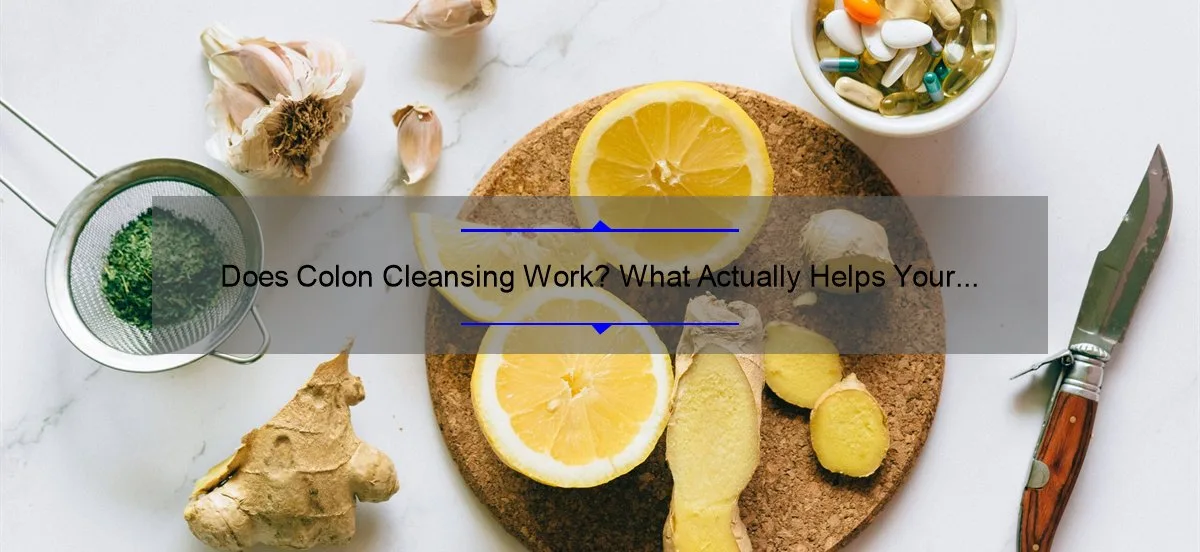
Short answer: Your colon cleans itself, and no drink, tea or flush removes “toxins” from it. The natural way to keep your colon healthy is fiber (about 25 g a day for women and 38 g for men under 51), enough fluid, whole foods and regular activity. Colonic irrigation and laxative cleanses have no proven benefit and carry real risks, including dehydration and electrolyte problems.
That isn’t the answer most colon cleanse pages give, but it’s the one the evidence supports, and it’s more useful than the myth. This guide explains what your body does with waste, compares the popular cleanse methods, lists the foods with the most fiber, and gives you a lemon, ginger and pineapple juice recipe that’s worth making as a drink, not as a cleanse.
Key Takeaways
- Your liver and kidneys clear waste continuously. A healthy colon doesn’t store years of built-up toxins.
- Colon cleansing has no good evidence behind it and a documented list of harms, including dehydration, electrolyte problems and, rarely, bowel perforation.
- The weight you lose on a cleanse is water and stool. It comes back within days.
- US adults average about 15 to 17 g of fiber a day, roughly half what’s recommended. That is a far more likely cause of feeling bloated and sluggish than any toxin.
- Fiber, fluid, whole food and routine are what actually change how your digestion feels.
- Blood in your stool, unexplained weight loss or a lasting change in bowel habits needs a doctor, not a juice.
What Your Body Actually Does With Waste

The idea behind colon cleansing is called autointoxication: the belief that waste builds up on the walls of your colon, releases toxins into your bloodstream, and causes fatigue, bloating, headaches and disease until it’s flushed out. It’s a very old idea, and it isn’t true. Here’s what actually happens:
- Your liver chemically processes what arrives from the gut, turning fat-soluble compounds into water-soluble ones your body can excrete.
- Your kidneys filter about 150 quarts of blood a day and send waste out in 1 to 2 quarts of urine.
- Your colon absorbs water and some minerals from what’s left and moves the rest along. It does not store it. A colon that has truly stopped moving is a medical emergency, not a wellness opportunity.
Nutrients are absorbed in the small intestine, upstream of the colon. So the claim that colon “build-up” blocks nutrient absorption has the plumbing backwards.
That’s why the National Center for Complementary and Integrative Health (NCCIH), part of the National Institutes of Health, says there is limited clinical evidence for colonic irrigation, that colon cleansing procedures can have serious side effects, and that reviews have found no compelling research supporting “detox” diets for removing toxins.
Colon Cleanse Methods Compared

Every cleanse method does one of three things: empties the bowel, cuts calories, or both. None removes toxins.
| Method | What it actually does | Evidence of benefit | Main risks |
|---|---|---|---|
| Colonic irrigation (colon hydrotherapy) | Flushes water through the colon via a tube | None for detox or general health | Cramping, nausea, dehydration, electrolyte imbalance; rarely bowel perforation or infection from poorly sterilized equipment |
| Enemas (coffee, saltwater, herbal) | Empties the lower bowel | None for detox | Same risks as colonic irrigation, plus irritation of the rectal lining |
| Laxative or “detox” teas | Often contain stimulant laxatives such as senna, which force bowel movements | None for detox | Cramping, diarrhea, fluid and potassium loss with repeated use |
| Saltwater or magnesium flush | Acts as a strong liquid laxative | None for detox | Dehydration and electrolyte shifts; unsafe with kidney or heart disease |
| Juice cleanse or fast | Cuts calories and fiber for a few days | Short-term weight loss that tends to return | Low in protein; not advised for people with diabetes or kidney disease without medical advice |
| Fiber, fluid and activity | Adds bulk and water to stool and feeds gut bacteria | Strong for regularity and constipation | Gas and bloating if fiber is increased too fast |
A review in The Journal of Family Practice catalogued reported harms of colon cleansing: cramping, bloating, nausea and vomiting, dehydration, electrolyte imbalance, kidney failure, and in rare cases bowel perforation and infection. Those are reported events, not hypotheticals. Cleansing also flushes the gut bacteria that ferment fiber and help crowd out pathogens.
The people most at risk are often the ones most likely to be told they need a cleanse: anyone with a bowel condition, kidney or heart disease, anyone already taking diuretics or laxatives, and older adults.
How to Cleanse Your Colon Naturally

Here’s what actually helps, in order of evidence.
1. Fiber, and more of it than you think
Fiber is the intervention with the most consistent evidence. It adds bulk and holds water, which makes stool easier to pass, and it feeds the bacteria in your colon.
| Group | Recommended fiber per day |
|---|---|
| Women 19 to 50 | 25 g |
| Women 51 and older | 21 g |
| Men 19 to 50 | 38 g |
| Men 51 and older | 30 g |
| Daily Value on food labels | 28 g (based on 2,000 calories) |
| Average US adult intake | About 15 to 17 g |
Increase fiber gradually. Going from very little to a lot in one day causes exactly the gas and bloating you were trying to fix. Add one source at a time over a couple of weeks. The Nutrition Facts label makes this easy to track: 20% Daily Value or more means a food is high in fiber (see how to read nutrition labels).
2. Foods that help your colon
No food “cleanses” your colon, but these high-fiber foods do the most for regularity. Values are from USDA FoodData Central.
| Food | Serving | Fiber |
|---|---|---|
| Split peas, cooked | 1 cup | 16 g |
| Lentils, cooked | 1 cup | 16 g |
| Black beans, cooked | 1 cup | 15 g |
| Chia seeds | 1 ounce (about 2 tablespoons) | 10 g |
| Raspberries | 1 cup | 8 g |
| Avocado | Half | 7 g |
| Pear, with skin | 1 medium | 5.5 g |
| Broccoli, cooked | 1 cup | 5 g |
| Oats, dry | 1/2 cup | 4 g |
A cup of lentils at lunch and a cup of raspberries at breakfast covers nearly the whole daily target for many women. Whole grains, nuts, seeds and vegetables fill in the rest.
3. Fluid
Fiber without fluid can make constipation worse. Fiber needs water to do its job. Water, unsweetened tea and water-rich foods all count. This is the one way a morning juice really helps: not because it cleanses anything, but because it’s a glass of liquid.
4. Whole food instead of a protocol
Eating less ultra-processed food and more food you recognize does more for digestion over a month than any three-day reset. It’s slower and less exciting, and it actually works. The four levels of food processing are a practical way to sort what’s in your cart, and using food labels for healthier choices makes the swaps easier.
5. Routine, movement and patience
Regular meals, regular physical activity and not ignoring the urge to go are standard medical advice for constipation. Give any of these a couple of weeks. Digestion changes over days and weeks, not one morning.
Lemon, Ginger and Pineapple Juice Recipe

This is the drink people search for as a “colon cleanse juice.” It won’t cleanse anything, but it’s sharp, warming and good, and all three ingredients earn their place for flavor and nutrition. Blending instead of juicing keeps the fiber.
Makes: about 4 cups (4 servings). Time: 10 minutes.
Ingredients

- 2 cups fresh pineapple, roughly chopped (or 1 cup pineapple juice)
- 1 lemon, juiced (about 3 tablespoons)
- 1-inch piece of fresh ginger, peeled
- 2 cups cold water or sparkling water
- Ice
- Honey or maple syrup to taste (optional)
- Mint to serve (optional)
Method
- Grate the ginger finely, or chop it small if you’re using a blender.
- Blend the pineapple and ginger with half the water until smooth.
- Strain through a fine sieve if you want a clear juice, or skip straining to keep the fiber (the better choice).
- Stir in the lemon juice and the rest of the water. Add lemon cold; heat dulls it.
- Taste and sweeten if needed. Pineapple is usually sweet enough on its own.
- Serve over ice with mint.
A stronger ginger version
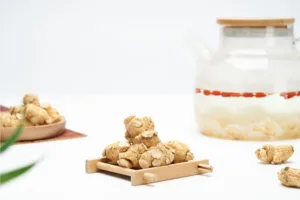
For more heat, make a ginger infusion first: grate a half-inch piece into a jar, pour over 1 cup of boiling water, cover, leave 30 minutes, then strain and cool. Use it in place of some of the water. If you like strong ginger, try our ginger shot recipe.
What’s actually in it
- Pineapple brings vitamin C, manganese and bromelain, enzymes that break down protein (which is why pineapple tenderizes meat and can make your tongue tingle). Bromelain has been studied as a concentrated supplement, at doses far above anything in a glass of juice.
- Lemon brings vitamin C and acidity that brightens the drink.
- Ginger brings warmth, and it’s the one ingredient here with solid clinical evidence: a meta-analysis of trials in pregnancy found it effective for nausea. More in our guide to ginger and cayenne pepper benefits.
One honest caveat: straining or juicing removes most of the fiber, which is the part that does the most for digestion. A bowl of pineapple does more for you than a glass of pineapple juice. Pineapple and lemon are acidic and may worsen reflux for some people.
When It Isn’t a Fiber Problem
Some symptoms are not dietary and should not be managed with a juice. See a doctor about:
- Blood in your stool, or black or tarry stools
- Unexplained weight loss
- Persistent abdominal pain
- A change in bowel habits lasting more than a few weeks
- Diarrhea or constipation that doesn’t improve with more fiber and fluid
Colorectal cancer screening is recommended for adults starting at age 45, and it is by far the most useful thing you can do for your colon. Screening finds and removes polyps before they become cancer, which no juice can do.
If you have irritable bowel syndrome, inflammatory bowel disease, celiac disease or diverticular disease, your fiber advice may differ from the general advice above. Follow your clinician’s guidance.
Before You Try This
This article is general information, not medical advice. Talk to your doctor, pharmacist or a registered dietitian before changing your diet for a health reason or trying anything described as a remedy, especially if you are pregnant or breastfeeding, take medication, manage a chronic condition, or are buying for a child.
Do not attempt a colon cleanse if you have a bowel condition, kidney disease or heart disease, or if you take a diuretic or a laxative. If something you eat or drink makes you feel unwell, stop and get medical help.
Frequently Asked Questions
Does colon cleansing work?
Not for detox. Your liver and kidneys clear waste continuously, and a healthy colon doesn’t store toxins. NCCIH, part of the National Institutes of Health, says there is limited clinical evidence for colonic irrigation and no compelling research supporting detox diets.
Is colon cleansing safe?
It can be harmful. Reported problems include cramping, nausea, vomiting, dehydration, electrolyte imbalance, kidney failure, and rarely bowel perforation or infection. The risk is highest for people with bowel, kidney or heart conditions and those taking diuretics or laxatives.
What is the best natural colon cleanse?
Fiber and fluid. Beans, lentils, berries, whole grains, vegetables and seeds, plus enough water, keep your colon moving naturally. Increase fiber slowly over a couple of weeks.
What foods cleanse your colon?
No food literally cleanses the colon, but high-fiber foods keep it healthy. Split peas, lentils and black beans have about 15 to 16 g of fiber per cooked cup, and raspberries have 8 g per cup.
Will a colon cleanse help me lose weight?
Not in a lasting way. You lose water and stool weight, which returns within days. A cleanse doesn’t remove body fat.
Why do I feel better after a cleanse?
You’ve emptied your bowel, drunk a lot of fluid, probably eaten less ultra-processed food, and paid attention to your body. The last three are worth keeping. The flush isn’t doing the work.
Is lemon water good for digestion?
It’s a glass of water with a little vitamin C and a nice taste, and the fluid helps. There’s no evidence it detoxes, alkalizes or cleanses anything.
Does ginger help digestion?
Ginger has good evidence for nausea. For general digestion the evidence is thinner, though many people find it settles an upset stomach.
Sources and Further Reading
- “Detoxes” and “Cleanses”: What You Need To Know. National Center for Complementary and Integrative Health, NIH.
- Mishori R, Otubu A, Jones AA. The dangers of colon cleansing. J Fam Pract. 2011;60(8):454-457.
- Your Kidneys and How They Work. National Institute of Diabetes and Digestive and Kidney Diseases.
- Eating, Diet, and Nutrition for Constipation. National Institute of Diabetes and Digestive and Kidney Diseases.
- McGill CR, Fulgoni VL, Devareddy L. Ten-Year Trends in Fiber and Whole Grain Intakes and Food Sources for the United States Population: NHANES 2001-2010. Nutrients. 2015.
- FoodData Central. US Department of Agriculture.
- Colorectal Cancer Prevention (PDQ). National Cancer Institute.
- Viljoen E, et al. A systematic review and meta-analysis of the effect and safety of ginger in the treatment of pregnancy-associated nausea and vomiting. Nutr J. 2014;13:20.
- Colon Cleansing: Is It Helpful or Harmful? Mayo Clinic.