Pine nuts in Shell, the edible seeds of pine trees, are a treasured ingredient in various cuisines worldwide. Although pine nuts are often shelled and ready to use, those in their natural shell have unique traits that can elevate cooking.
This guide delves into the wonders of pine nuts in shell. It explores their nutrition, how to prepare them, and their cultural importance. Are you a seasoned chef or a curious food enthusiast? Then, this article will help you unlock the full potential of these tiny but mighty kernels.
Key Takeaways on Pine Nuts in Shell
- Roasting, soaking, or blanching pine nuts in their shells can change their taste and texture.
- Pine nuts have a good nutritional profile. It reveals their health benefits. They have high levels of vitamins, minerals, and healthy fats.
- Adding shelled pine nuts to recipes can enhance dishes’ rich buttery flavor. They are ideal for pestos, garnishes, and baked goods.
- Proper storage and preservation techniques are crucial. They maintain the quality and extend the shelf life of pine nuts in their shells.
- Exploring pine nuts’ importance in various cuisines can inspire new dishes. As a result, it can also foster an appreciation for this flexible ingredient.
The Unique Characteristics of Pine Nuts in Shell
Understanding Pine Nut Varieties
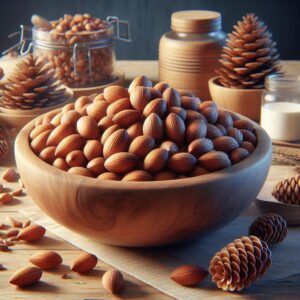
Naturally, when hunting for pine nuts in shell near me, you’ll discover a variety of these edible seeds. Pine nuts in the shell come from different species of pine trees, each offering a unique size, flavor, and texture. Raw pine nuts in shells are a treasure trove of natural taste for those who prefer their nuts untouched by processing.
Pine nuts can vary in price, with the price of pine nuts in shell fluctuating based on factors like origin, harvest conditions, and availability. Therefore, it is essential to note that the term ‘pine nut in shell’ refers to the nut found within the hard outer casing of the pine cone.
Additionally pine nuts are a staple in many global dishes, they are particularly prominent in Levantine cuisine, adding a nutty depth to a variety of savory and sweet dishes.
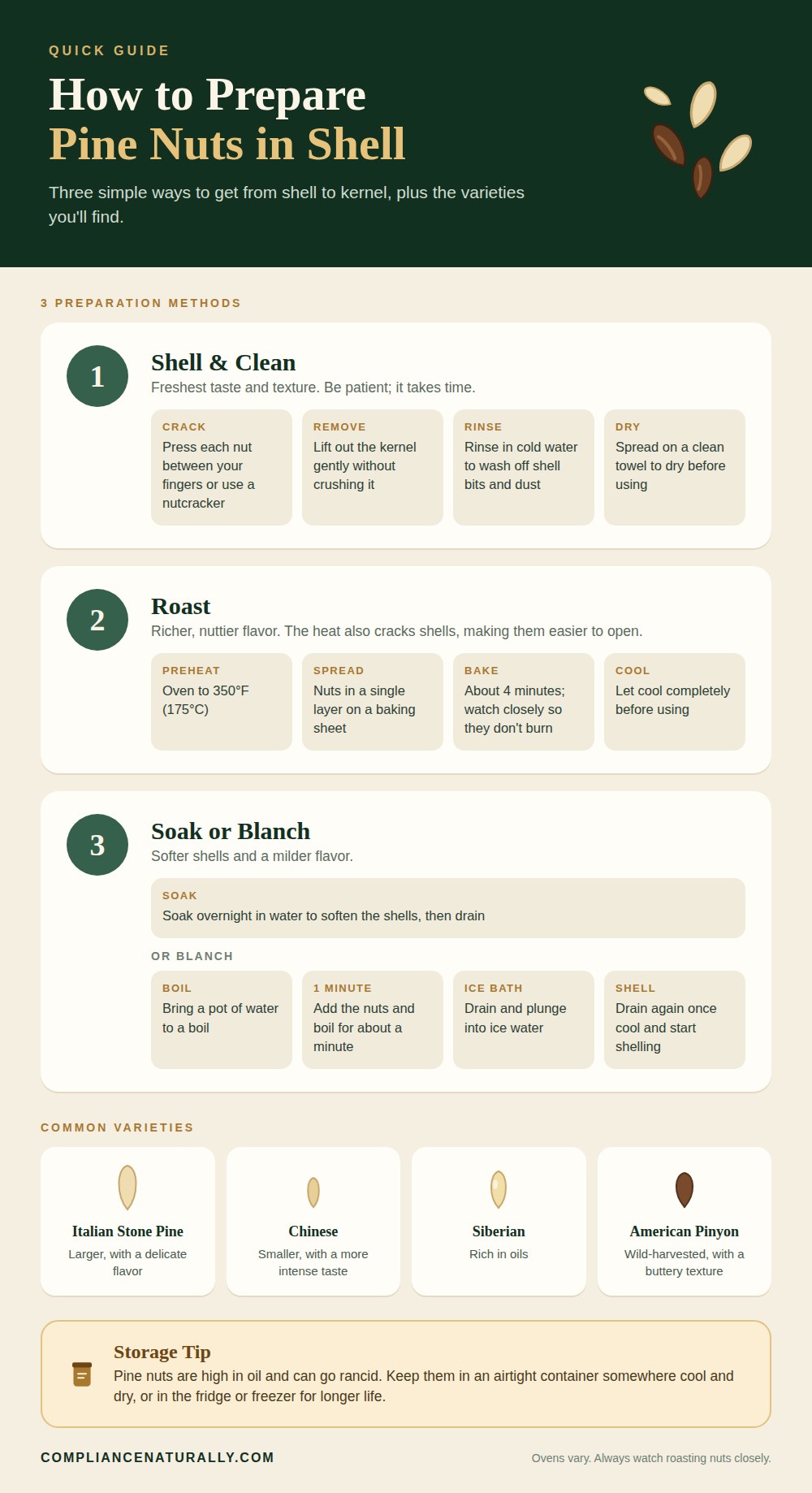
Here’s a quick guide to help you understand the common varieties of pine nuts available:
- Italian Stone Pine: Larger and with a delicate flavor.
- Chinese Pine Nuts: Smaller, with a more intense taste.
- Siberian Pine Nuts: Rich in oils and often used in traditional medicine.
- American Pinyon Pine: Harvested from the wild, with a buttery texture.
Nutritional Profile and Health Benefits of Pine Nuts in Shell
Pine nuts, especially when consumed in their natural shell, offer a powerhouse of nutrients beneficial for humans. They are rich in magnesium, which is essential for maintaining a healthy heart and strong bones. In addition, they contain heart-healthy monounsaturated fats that can help reduce harmful cholesterol levels.
Pine nuts in shell for humans are not just a tasty snack; they’re a smart choice for a well-rounded diet.
Including these nuts in your diet can provide various vitamins and minerals. Here’s a quick look at what these tiny seeds have to offer:
- Vitamin E: Important for skin and eye health
- Vitamin K: Essential for blood clotting and bone health
- Iron: Crucial for blood production
- Zinc: Supports immune function
Remember, while pine nuts are nutritious, moderation is vital as they are also high in calories.
The Role of Pine Nuts in Shell in Global Cuisines
Pine nuts have found a special place in hearts and kitchens worldwide due to their delicate flavor and crunchy texture. Their versatility allows them to be a key ingredient in various dishes. From the pine nut-studded pilafs of the Middle East to the sweet, pine nut-infused desserts of Europe, these tiny seeds enhance every meal.
In Italy, pine nuts are essential in creating the rich, creamy pesto that dresses pasta and bruschetta. Moving to Asia, Korean cuisine uses pine nuts in traditional porridges and as a garnish for unique dishes. Meanwhile, they are often toasted and sprinkled over salads or blended into rich American sauces.
Pine nuts are not just a garnish or a side note in recipes; they are often the unsung heroes that bring a subtle depth and nuttiness to dishes.
Pine nuts in each cuisine show their adaptability and the unique ways chefs can use them beyond the familiar pesto, revealing a different aspect of the nuts. Here’s a quick look at how pine nuts shine across various cuisines:
- Italy: Pesto, desserts, and salads
- Korea: Porridges, garnishes
- Middle East: Pilafs, pastries
- Americas: Salads, sauces
Preparation Techniques for Pine Nuts in Shell
Shelling and Cleaning Pine Nuts
Once you’ve sourced your pine nuts in shell, the next step is to shell and clean them. This process can be time-consuming, but it’s worth it for the fresh taste and texture you’ll get. Shelling pine nuts is easier when fresh, as the shell is more pliable.
To start, press each nut between your fingers or use a nutcracker. Be careful not to crush the delicate kernel inside. After cracking the shell, remove the kernel and discard the shell. Some people save the shells for compost or even as a treat for their pets, like pine nuts in shell for birds.
Remember, patience is key when shelling pine nuts. Take your time to avoid damaging the kernels.
After shelling, you must clean pine nuts. Rinse them under cold water to remove any remaining shell fragments or dust. Then, lay them out on a clean towel to dry. You can roast, soak, or add pine nuts to your favorite dishes.
Roasting for Enhanced Flavor
Roasting pine nuts in their shells can transform their flavor, bringing out a rich, nutty taste that enhances many dishes. You can roast pine nuts in shell in an oven, air fryer, or stove. Here’s an essential guide to get you started:
- Preheat your oven to 350 degrees Fahrenheit (175 degrees Celsius).
- Spread the pine nuts in a single layer on a baking sheet.
- Bake the nuts for 4 minutes—they should be browned now. At minute 3, spray them with olive oil and add a pinch of salt if you like.
- Allow the nuts to cool completely before using them in your recipes.
Roasting not only improves the taste but also makes the pine nuts easier to shell. The heat helps to crack the shells, making them simpler to remove.
Remember, every oven and air fryer is different, so watch your pine nuts as they roast to prevent burning. After a few minutes, check them and adjust the time for that perfect golden color.
Soaking and Blanching Methods
Soaking and blanching pine nuts in shell can make them easier to shell and enhance their flavor. Additionally, soaking pine nuts overnight in water can soften their shells, making the shelling process less labor-intensive. After soaking, the nuts should be drained and patted dry before you proceed to blanch them.
To blanch pine nuts, you’ll need to boil them briefly in water. This method makes the nuts easier to shell and creates a more mellow flavor. Here’s a simple step-by-step guide:
- Bring a pot of water to a boil.
- Add the pine nuts and let them boil for a minute.
- Drain the nuts and immediately plunge them into ice water to stop cooking.
- Once cooled, drain the nuts again and begin shelling.
Remember, the goal is to soften the nuts, not to cook them through. Blanching is a delicate process that requires attention to avoid overcooking. Pine nuts are a natural food that can contribute to brain health, enhancing cognition and memory as part of a holistic approach to wellness.
When done correctly, soaking and blanching can significantly reduce the time and effort needed to shell pine nuts, leaving you with a perfect ingredient for your culinary creations.
Exploring Cultural Significance and Culinary Traditions
Historical Use of Pine Nuts in Shell in Indigenous Cultures
Pine nuts have been a cherished food source for thousands of years. Indigenous peoples have relied on these tiny yet mighty seeds for their rich flavor and nutritional benefits. In North America, tribes like the Pueblo and Navajo harvested pine nuts as a major food item, often using them in stews and meat dishes.
Pine nuts are not a source of sustenance; they also play a role in cultural traditions and ceremonies. For example, the Pueblo people celebrate the pine nut harvest with special dances and rituals. They do this to show their respect and thanks for this natural gift.
- Pine nuts used in traditional stews
- Included in ceremonial practices
- Harvested using age-old techniques
Pine nuts have stood the test of time, proving to be more than just food—they are a link to the past and a tradition that continues to be passed down through generations.
Pine Nuts in Mediterranean Cuisine
In the sunny Mediterranean, pine nuts are more than an ingredient; they bridge history and flavor. These tiny seeds have been a dish staple for centuries, adding a nutty essence and a crunch that’s hard to resist. People often toast pine nuts to enhance their unique taste before sprinkling them over salads, pasta, and baked goods.
Pesto, a sauce synonymous with Italian cuisine, owes its rich and creamy texture to pine nuts. They’re crushed with basil, garlic, Parmesan cheese, and olive oil to create a versatile and irresistible blend. Here’s how pine nuts fit into some classic Mediterranean dishes:
- Pasta: Pine nuts add a subtle crunch and richness to pasta dishes.
- Salads: They provide a protein boost and a textural contrast in salads.
- Baked Goods: Pine nuts are vital in sweets like cookies and cakes.
Pine nuts play a crucial role in the balance of nutrition and taste in Mediterranean cooking. Their high nutritional value complements the fresh vegetables, fruits, and olive oil that are staples of the diet in this region.
When exploring Mediterranean recipes, you’ll see that pine nuts are more than a garnish. They’re a vital part of the dish, improving it. Including them in recipes shows the region’s commitment to wholesome, tasty food. It nourishes the body and delights the palate.
Festive Dishes and Celebratory Uses of Pine Nuts in Shell
Pine nuts have long been a symbol of festivity and celebration in various cultures. Their rich, buttery flavor and delicate crunch add a special touch to holiday meals and festive dishes. In Italy, people eat pignoli cookies with pine nuts during Christmas. In the Middle East, people sprinkle pine nuts over dishes like kibbeh and pilaf to mark important events.
Pine nuts are not just a tasty ingredient; they carry with them a history of cultural significance, making them a cherished addition to celebratory feasts.
Here’s a quick look at how pine nuts can transform a simple dish into a celebratory masterpiece:
- Enhance salads with a sprinkle of toasted pine nuts for a festive touch.
- Mix into stuffing recipes to add texture and flavor to holiday roasts.
- For an elegant finish, garnish sweet desserts like baklava or rice pudding with pine nuts.
Conclusion
In this culinary guide, we have explored the multifaceted world of pine nuts in shell, uncovering their nutritional benefits, versatile uses in cooking, and the art of shelling and storing them. Pine nuts, though small, pack a punch of flavor and health advantages that can elevate any dish. From toasting them to bringing out their nutty essence to incorporating them into many recipes, these little kernels are a testament to the saying that great things come in small packages. As we conclude, we hope this guide has inspired you to embrace the wonders of pine nuts in your kitchen adventures, unlocking their potential to transform your culinary creations.
Frequently Asked Questions
What are the different varieties of pine nuts in shells, and how do they differ?
Pine nuts come from various species of pine trees, with the most common varieties being the Italian Stone Pine, Korean Pine, and Siberian Pine. Each variety has subtle differences in size, flavor, and texture. Italian Stone Pine nuts are larger and have a buttery taste, Korean Pine nuts are often smaller and have a more intense flavor, and Siberian Pine nuts have a rich and sweet taste.
What are the health benefits of consuming pine nuts in the shell?
Pine nuts are a good source of vitamins and minerals, including vitamin E, magnesium, and zinc. They also contain monounsaturated fats, which can help reduce cholesterol levels and promote heart health. Additionally, pine nuts are rich in antioxidants and have anti-inflammatory properties.
How should I shell and clean pine nuts at home?
To shell pine nuts, you can use a nutcracker or a rolling pin to crack the shells without crushing the nuts inside. Once cracked, remove the hard outer shell to reveal the edible kernel. Clean the nuts by rubbing them between your hands or in a cloth to remove any remaining shell fragments and pitch.
What is the best way to roast pine nuts in shell to get the most flavor?
You can roast pine nuts in a dry skillet over medium heat or in the oven at a low temperature. It’s important to watch them as they can burn. Stir or shake the nuts until they turn golden brown and release a nutty aroma, taking a few minutes.
How can I incorporate pine nuts into my baking recipes?
You can add pine nuts to both sweet and savory baking recipes. Sprinkle them on top of breads and pastries before baking for a crunchy texture, or mix them into doughs and batters for cookies, cakes, and tarts to add a nutty flavor and rich texture.
What are some tips for storing pine nuts to extend their shelf life?
To extend the shelf life of pine nuts, store them in an airtight container in a cool, dark place. For longer-term storage, you can refrigerate or freeze them. If refrigerated or frozen, let them come to room temperature before using them to prevent condensation from affecting their texture.
A Quick Note on “Pine Mouth”
A small number of people notice a bitter or metallic taste a day or two after eating pine nuts, a condition often called “pine mouth.” It usually fades on its own within a few days to two weeks and has been linked to certain pine species. Buying pine nuts in shell from a reputable seller and checking the country of origin on the label can help you know what you are getting.