Short answer: Mauby bark has one small human study behind it. In 2005, Caribbean researchers found that some adults with high blood pressure who drank mauby for two weeks saw their blood pressure fall. Every other claimed benefit has not been tested in people, including blood sugar, weight loss, cholesterol, skin, “blood cleansing” and joint relief. Its clearest real benefit is that unsweetened mauby is nearly calorie-free. Its one known safety signal is a possible interaction with the blood thinner warfarin.
Mauby is the bitter-sweet Caribbean drink brewed from the bark of Colubrina elliptica. Pages about it usually come with a long list of health benefits. This article goes through those claims one by one and checks each against the published research. If you want to make it, see our mauby drink recipe and flavor variations.
Mauby Bark Benefits at a Glance
| Claimed benefit | Tested in people? | What the evidence shows |
|---|---|---|
| Lower blood pressure | Yes, one small trial | Some adults with hypertension saw lower readings after two weeks (2005, 28 people in total, never repeated) |
| Anti-inflammatory | No | The bark contains triterpenoid saponins, a compound class with anti-inflammatory activity in lab tests |
| Lower blood sugar | No | No human or published clinical study |
| Weight loss | No | No human study; any effect comes from swapping sugary drinks for unsweetened mauby |
| Lower cholesterol | No | Saponins as a class bind cholesterol in a test tube; mauby itself is untested |
| Skin benefits | No | No study of mauby and skin |
| “Cleans the blood” / detox | No | Not a measurable medical effect; your liver and kidneys do this job |
| Joint and arthritis relief | No | Traditional use only |
What Mauby Bark Is
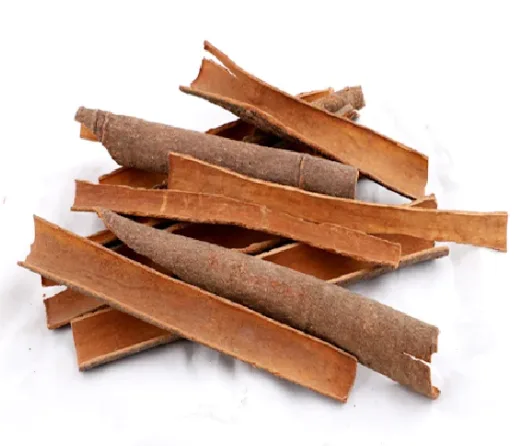
Mauby (also spelled mabi, and called soldierwood) is the dried bark of Colubrina elliptica, a small tree native to the Caribbean and parts of South Florida. The bark is simmered with spices such as cinnamon, cloves and star anise, then sweetened and diluted. Its bitterness comes from tannins and saponins, the same broad compound families that make over-steeped tea taste harsh.
In Barbados, Trinidad, Antigua and across the eastern Caribbean, mauby has been used for generations as a tonic and a home remedy for high blood pressure, stomach upsets and aches. That history is real and worth respecting. But a long tradition tells you how a plant has been used, not whether it works. The medical literature on mauby is very small: three published papers.
Does Mauby Lower Blood Pressure?
This is the only mauby benefit with a human study. Researchers in the Caribbean gave 28 adults with hypertension one of four drinks for two weeks: bottled water, coconut water, mauby, or a mix of coconut water and mauby. In the mauby group, 40% had a significant fall in systolic pressure and 40% in diastolic pressure. The coconut water and mauby mix did better than either drink alone.
The result is interesting, but it is small. Only about seven people drank mauby, for two weeks, and the study has never been repeated. It is a reason for more research. It is not a reason to treat mauby as blood pressure medicine. Never stop or reduce prescribed blood pressure medication because you are drinking mauby. If you take blood pressure tablets, tell your doctor before drinking it regularly, because the two could add together.
Is Mauby Good for Weight Loss?
No study has tested mauby for weight loss in people. The honest version of this benefit is the swap. A glass of mauby brewed with little or no sweetener has almost no calories. Drinking it instead of soda, sweetened juice or bottled mauby removes sugar and calories from your day.
The catch is that traditional and bottled mauby is often heavily sweetened. A glass can carry as much sugar as a soft drink. If weight is your reason for drinking it, check the added sugars line on the Nutrition Facts label of any syrup or bottled mauby, or make your own and sweeten lightly.
Does Mauby Lower Blood Sugar?
There is no published trial of mauby and blood glucose, insulin or A1C. Claims that it helps manage diabetes are not based on evidence. For anyone with diabetes or prediabetes, the thing about mauby that actually matters is how much sugar goes into it. Unsweetened or lightly sweetened mauby is a reasonable drink choice. Sugary mauby is not. If you use glucose-lowering medication and want to try mauby as a remedy, discuss it with your doctor first.
Mauby Benefits for Skin
“Mauby benefits for skin” is a popular search, but no study has looked at mauby and skin, either drunk or applied. Saponins are used as natural foaming agents in some soaps and cleansers, which may be where the idea comes from. That is a property of a compound class, not evidence that drinking mauby improves your skin. Replacing sugary drinks with water or unsweetened drinks is good general advice, but that is not a benefit specific to mauby.
Does Mauby “Clean Your Blood”?
“Blood cleansing” is a traditional idea, not a measurable medical effect. Your liver and kidneys filter waste from your blood continuously, and no drink has been shown to make them do it better. The same goes for “detox” claims. For more on how detox marketing works, see our article on whether colon cleanses work.
Anti-Inflammatory and Other Claims
A 1994 chemistry paper identified triterpenoid saponins (named mabiosides) in mauby bark. Compounds in this class show anti-inflammatory activity in laboratory tests. That tells you what is in the bark. It does not tell you what happens when you drink mauby, because nobody has tested it in people. Claims about cholesterol, arthritis, immunity, “men’s health” and “women’s health” fall in the same category: traditional use or extrapolation, with no human study behind them.
Mauby Side Effects and Who Should Be Careful
- People taking warfarin or other blood thinners. A published case report described a patient on warfarin whose INR (a measure of how long blood takes to clot) rose while drinking mauby. One case does not prove an interaction, but it is the only safety signal in the literature and the stakes with warfarin are high. Talk to your doctor or pharmacist before drinking mauby regularly.
- People on blood pressure medication. If mauby does lower blood pressure, it could add to your medication’s effect.
- People managing diabetes or weight. The main risk is the sugar added to most mauby, not the bark.
- Pregnancy, breastfeeding and children. There are no safety studies. Occasional drinks of mauby as a beverage are a long-standing tradition, but do not use it as a remedy in these groups without medical advice.
- Too much at once. Very strong or concentrated mauby is intensely bitter, and some people find it upsets their stomach. Dilute it as you would a cordial.
Is Mauby a Blood Thinner?
Mauby is not a known blood thinner, and there is no study showing it thins blood. The concern is narrower: one case report suggests it may have strengthened the effect of warfarin in one patient. If you take any anticoagulant, treat mauby as something to mention to your pharmacist.
Mauby Tea vs Mauby Drink
“Mauby tea” and “mauby drink” are the same thing at different strengths. Both are made by simmering the bark. Mauby is normally brewed as a strong concentrate and diluted by the glass. A lighter brew drunk hot is sometimes called mauby tea. The research above applies to both. Our mauby recipe covers simmer times, dilution and how to keep the bitterness in check.
Buying Mauby Bark, Syrup or Bottled Mauby
Plain mauby bark should list nothing but bark. Syrups, concentrates and bottled drinks often contain a lot of sugar, and sometimes preservatives and flavorings. Read the ingredient list and the added sugars line before you buy. Words like “natural” on the front of the bottle do not tell you how much sugar is inside. See what “natural” means on food labels and how labels can mislead.
The Bottom Line
Mauby is a culturally important drink with one small, unrepeated study suggesting it may lower blood pressure. Claims about weight loss, blood sugar, skin, cholesterol and “cleaning the blood” have not been tested in people. Drink it for the taste and as a low-sugar alternative to soda when you brew it yourself, not as a treatment. If you take warfarin or blood pressure medication, check with your doctor or pharmacist first.
Frequently Asked Questions
What are the health benefits of mauby bark?
The only benefit tested in people is a possible drop in blood pressure, seen in one small two-week study from 2005. The bark also contains saponins with anti-inflammatory activity in the lab. Unsweetened mauby is nearly calorie-free, which makes it a good substitute for sugary drinks. Other claimed benefits are untested.
Is mauby good for weight loss?
Not directly. No study shows mauby causes weight loss. Drinking unsweetened mauby instead of sugary drinks cuts calories, but sweetened mauby can have as much sugar as soda.
Does mauby lower blood sugar?
There is no evidence that it does. No clinical study has tested mauby and blood glucose.
What are the side effects of mauby?
Mauby is generally well tolerated as a drink. The main documented concern is a case report of raised INR in a patient taking warfarin. Strong brews can upset the stomach, and the added sugar in most mauby is a concern for people with diabetes.
Is mauby good for your skin?
There is no research on mauby and skin. Claims about skin benefits are not supported by evidence.
Can I drink mauby every day?
As a lightly sweetened drink, mauby is a traditional everyday beverage for many people. If you take warfarin, other blood thinners or blood pressure medication, ask your doctor or pharmacist first.
Before You Try This
This article is for general information. It is not medical advice. Talk to your doctor, pharmacist or a registered dietitian before using any food or drink as a remedy, especially if you are pregnant or breastfeeding, take medication or manage a chronic condition.
Sources
- The control of hypertension by use of coconut water and mauby: two tropical food drinks. Alleyne T, Roache S, Thomas C, Shirley A. West Indian Med J. 2005;54(1):3-8.
- Mabiosides C-E: triterpenoid saponins from the bark of Colubrina elliptica. Phytochemistry. 1994.
- Elevated International Normalized Ratio in a Patient Taking Warfarin and Mauby: A Case Report. J Pharm Pract. 2017;30(5):567-570.
- Dietary and Herbal Supplements. National Center for Complementary and Integrative Health (NIH).