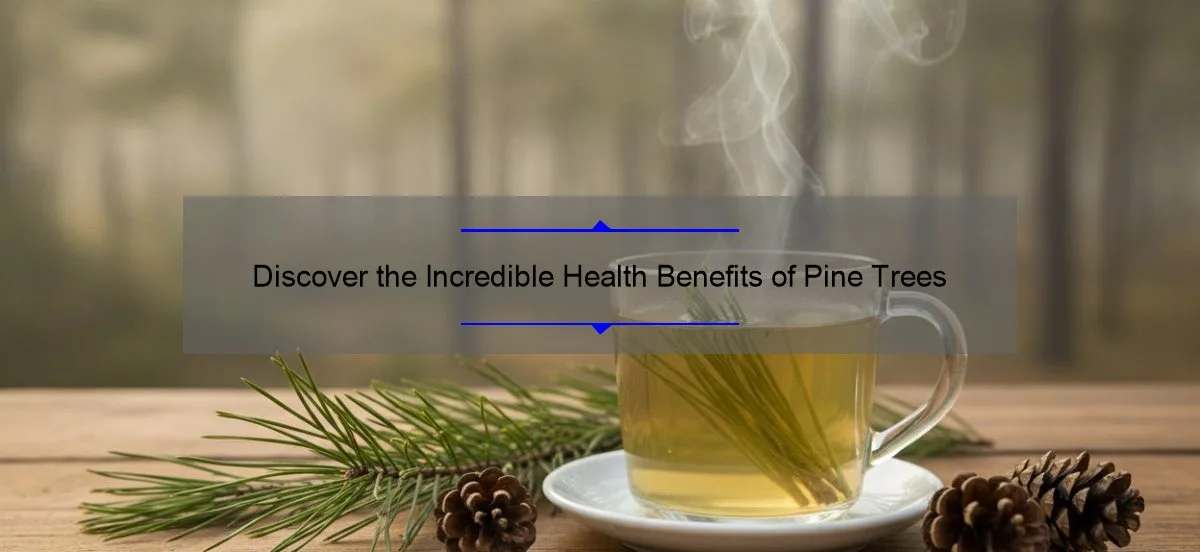
Short answer: Pine needle tea is a mild, citrusy herbal tea made by steeping young needles from edible pines such as eastern white pine. The needles contain vitamin C and plant antioxidants, but no clinical trials have tested the tea in people, and heat destroys some of the vitamin C. The real risks are using the wrong tree and drinking it while pregnant: ponderosa pine and some other conifers can cause miscarriage in livestock, and yew and Norfolk Island pine should never be used.
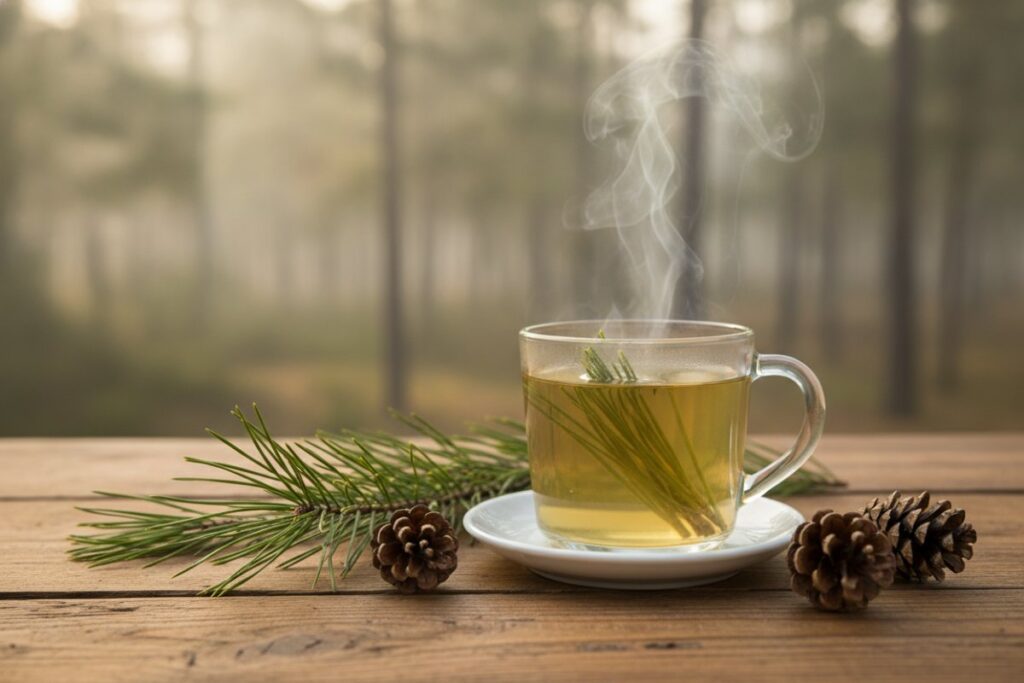
Pine needle tea has a long history as a folk remedy and a foraged winter drink. Online, it is often promoted as a cure-all for colds, inflammation and “immunity.” This guide covers what is actually in pine needles, which trees are safe and which are not, how to make the tea, and what the research says about other pine products, including pine bark extract and pine pollen.
Pine Needle Tea Benefits: What the Evidence Shows
| Claim | Evidence | What we actually know |
|---|---|---|
| Source of vitamin C | Moderate | Fresh needles contain vitamin C, but levels vary by species and season, and steeping in hot water destroys some of it. A cup of tea is not a reliable substitute for fruit and vegetables. |
| Antioxidants | Lab only | Needles contain polyphenols and other antioxidant compounds in laboratory tests. No human studies show a health effect from the tea. |
| Eases colds and congestion | Traditional use | A hot, aromatic drink can soothe a sore throat and feel like it clears the nose, like any hot tea. No trials have tested pine needle tea for colds. |
| Prevents scurvy | Historical | Conifer teas were used against scurvy, but today a normal diet supplies far more vitamin C. |
| “Boosts immunity,” detox, anti-inflammatory | None in humans | No human evidence |
The honest benefit of pine needle tea is that it is a pleasant, caffeine-free, nearly calorie-free drink with some vitamin C, made from something you can forage. Treat health claims beyond that with skepticism.
Which Pine Needles Are Safe for Tea, and Which Are Not
Correct identification is the most important safety step. True pines (genus Pinus) have needles in bundles of two to five. Several trees called “pine,” and some evergreens that look similar, are toxic.
| Commonly used for tea | Avoid |
|---|---|
| Eastern white pine (Pinus strobus): soft needles in bundles of five; the most popular choice | Yew (Taxus): flat single needles and red berries. Highly poisonous; can be fatal. |
| Other true pines such as Scots pine and red pine, once correctly identified | Ponderosa pine and lodgepole pine: needles cause miscarriage in cattle |
| Spruce and Douglas fir (not pines, but also used for conifer tea) | Norfolk Island pine: a houseplant that is not a true pine; not for consumption |
| Any tree you cannot identify with certainty, or trees sprayed with pesticides or near roadsides |
The concern with ponderosa pine is well documented in veterinary research: a compound in the needles, isocupressic acid, causes cattle to abort. Lodgepole pine and common juniper have similar effects. Whether the same happens in humans is not known, which is why pregnant people should avoid pine needle tea altogether.
How to Make Pine Needle Tea
Makes 1 large mug
- A small handful (about ¼ cup) of fresh, young pine needles from a positively identified, unsprayed tree
- 1½ cups (350 ml) water
- Honey or lemon, optional
- Rinse the needles and remove any brown ends or papery sheaths at the base.
- Chop the needles into short pieces to release more flavor.
- Heat the water until just below boiling, then pour it over the needles. Avoid a hard boil, which makes the tea more bitter and destroys more vitamin C.
- Cover and steep for 10 to 20 minutes. The tea will be pale yellow to light green.
- Strain and add honey or lemon if you like.
Tips: start with one cup to see how it agrees with you. The flavor is resinous and lemony; young spring needles are milder. Store fresh needles in the refrigerator for a few days at most.
Pine Needle Tea Side Effects and Who Should Avoid It
- Pregnant or trying to conceive: avoid it because of the miscarriage risk seen with some species in livestock.
- Breastfeeding and young children: no safety data, so avoid regular use.
- Allergies: people allergic to pine or other conifers can react.
- Stomach upset: strong or large amounts can upset the stomach.
- Never use pine essential oil or turpentine internally. They are far more concentrated than tea and can be toxic.
Pine Bark Extract (Pycnogenol): What the Research Shows
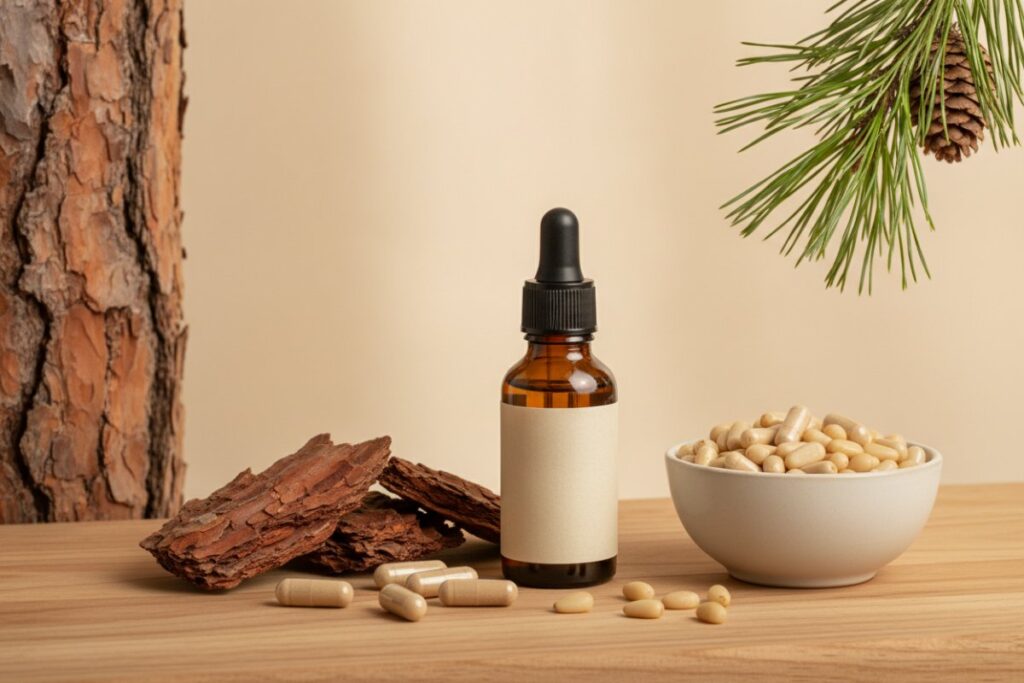
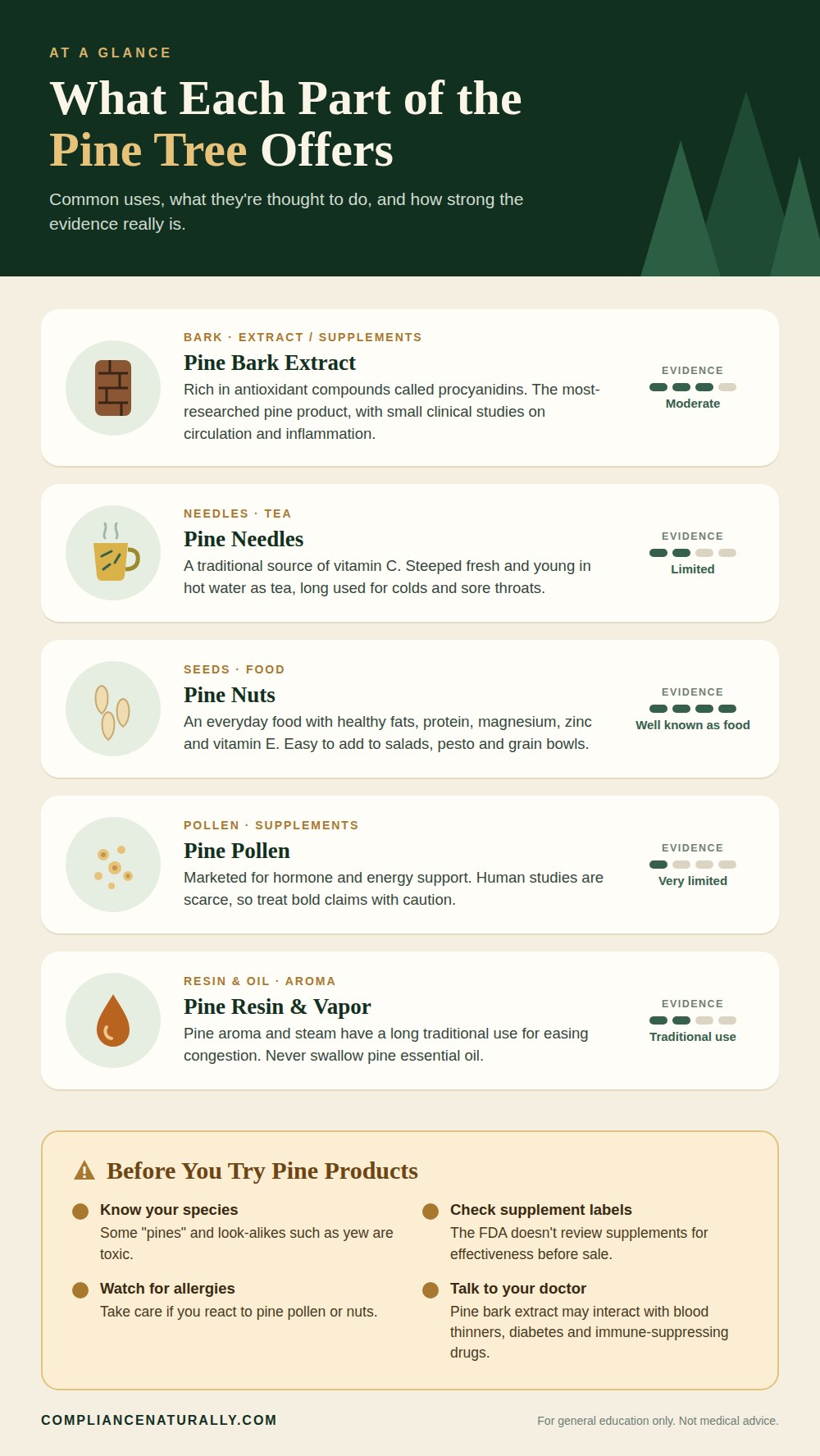
Pine bark extract, most often from French maritime pine (Pinus pinaster) and sold under brand names such as Pycnogenol, is the most studied pine product. It is rich in compounds called procyanidins. Small trials have looked at it for circulation problems, blood sugar, blood pressure, asthma, ADHD, osteoarthritis and erectile dysfunction.
A 2020 Cochrane review pooled 27 randomized trials with 1,641 participants across 10 conditions. Its conclusion was that small sample sizes, few trials per condition and poor reporting mean “no definitive conclusions regarding the efficacy or safety of pine bark extract supplements are possible.” In other words, the extract is promising for some uses but not proven for any.
Pine bark extract is a dietary supplement, so the FDA does not review it for effectiveness before sale. It may interact with blood thinners, diabetes medicines and drugs that suppress the immune system. See how supplements are regulated.
Pine Pollen: Hype vs Evidence
Pine pollen is marketed as a natural testosterone or “hormone booster.” It does contain tiny amounts of plant sterols and trace hormone-like compounds, but there are no published human trials showing it raises testosterone or improves energy, muscle or immunity. People with pollen allergies can react to it. Until there is real evidence, it is best treated as an expensive powder with unproven claims.
Pine Nuts
Pine nuts are the best-established pine food: a nutritious seed with healthy fats, protein, magnesium and zinc. A small number of people experience “pine mouth,” a temporary bitter or metallic taste after eating certain pine nuts. For buying, cracking and roasting them, see our guide to pine nuts in shell.
A Short History of Pine as Medicine
Conifer teas and resins have been used for thousands of years. In the winter of 1535–1536, the crew of French explorer Jacques Cartier was saved from scurvy by a tea that the Iroquois made from an evergreen they called annedda. Historians still debate which tree it was; eastern white cedar is the most common candidate, with eastern white pine another possibility. Pine resin was also used on wounds in traditional medicine. These uses tell us how pines were valued, not whether they work as treatments today.
Frequently Asked Questions
What are the benefits of pine needle tea?
It is a caffeine-free, nearly calorie-free drink that contains some vitamin C and plant antioxidants, and a hot cup can soothe a sore throat. Claims that it boosts immunity, detoxes or fights inflammation have not been tested in people.
Is pine needle tea safe?
For most healthy adults, an occasional cup made from a correctly identified edible pine, such as eastern white pine, is generally considered safe. Pregnant people should avoid it, and you should never use yew, ponderosa pine, lodgepole pine or Norfolk Island pine.
Which pine needles are poisonous?
Yew is highly poisonous. Ponderosa and lodgepole pine needles cause miscarriage in cattle and should be avoided. Norfolk Island pine is not a true pine and is not for consumption. If you are not certain of the species, do not use it.
How much vitamin C is in pine needle tea?
It varies widely with the species, the season, how many needles you use and how hot the water is. Fresh needles contain meaningful vitamin C, but heat destroys some of it, so a cup of tea is not a reliable vitamin C source.
How often can you drink pine needle tea?
There are no studies on safe amounts. An occasional cup is a reasonable limit. If you want to drink it regularly, or you take medication or have a health condition, ask your doctor.
Does pine bark extract work?
It has been studied for several conditions, but a 2020 Cochrane review found the trials too small and inconsistent to draw firm conclusions about whether it works or is safe.
Before You Try This
This article is for general information, not medical advice. Foraging carries real risks if a plant is misidentified. Talk to your doctor or pharmacist before using pine needle tea or pine supplements as a remedy, especially if you are pregnant or breastfeeding, take medication, or have a chronic condition.
Sources and Further Reading
- Pine bark (Pinus spp.) extract for treating chronic disorders. Robertson NU et al. Cochrane Database Syst Rev. 2020.
- The toxic and abortifacient effects of ponderosa pine. Vet Pathol. 1996.
- Abortifacient effects of lodgepole pine (Pinus contorta) and common juniper (Juniperus communis) on cattle. Vet Hum Toxicol. 1998.
- How Safe Is This Product or Practice? National Center for Complementary and Integrative Health (NIH).
- Vitamin C Fact Sheet for Consumers. NIH Office of Dietary Supplements.