The health benefits of pine trees have been valued for centuries, from pine needle tea to modern pine bark extracts. Some uses have promising research behind them, while others rely mostly on tradition. This guide explains both.
Introduction
Discover the incredible benefits of pine trees in our latest blog post as we delve deep into the world of these majestic evergreens. As an essential part of our natural landscape, pine trees offer more than just their aesthetic appeal – they also possess a wealth of health benefits that have been revered for centuries.
From potent antioxidants to immune-boosting properties, these natural wonders are crucial to unlocking a healthier, more balanced life. I’m excited to share the top benefits of pine trees, backed by scientific research and age-old wisdom.
So, join us on this journey into the world of pine trees and uncover the secrets of nature that can help you achieve optimal health and well-being. Don’t miss out on this opportunity to harness the power of pine trees and elevate your daily wellness routine.
The Power of Pine: A Brief History
Now let’s dive into the fascinating history of pine trees, an evergreen conifer that has graced our planet for over 300 million years.
These majestic trees have not only played a vital role in shaping our natural landscapes, but they have also been an integral part of human history, providing countless benefits to various cultures across the globe. And who doesn’t love the smell of pine cones?
The pine family, known as Pinaceae, boasts over 120 species, each with unique characteristics. Some of the different species of pine trees include the eastern white pine, scots pine, ponderosa pine, loblolly pine, and stone pine.
The ancient Greeks and Romans were among the first to recognize the healing properties of pine trees, using their resin to treat wounds and soothe respiratory issues. In his writings, the famous Greek physician Hippocrates even documented the benefits of pine tree resin for respiratory ailments.
Native Americans have long revered pine trees for their medicinal properties as well. They utilized pine needles to brew vitamin C-rich teas, which helped prevent scurvy and boost their immune systems. Additionally, tribes like the Navajo and Pueblo used the inner bark of pine trees as a valuable food source during times of scarcity and medicinal uses.
In recent history, the timber industry has relied heavily on pine trees as a primary source of wood for construction, furniture, and paper production. This versatile tree has also played a significant role in developing the turpentine and resin industries, with its resin being used for various applications, including varnishes, adhesives, and even chewing gum.
Today, the benefits of pine trees continue to be explored and embraced, with modern scientific research uncovering their potent antioxidant, anti-inflammatory, and immune-boosting properties. As we delve deeper into the history and benefits of pine trees, we gain a greater appreciation for the interconnectedness of nature and human life.
The history of pine trees is a testament to their enduring value and the countless ways they have enriched our lives throughout the ages. By understanding and appreciating their historical significance, we can continue to harness the power of pine trees and unlock their full potential for our health and well-being.
Nutritional Benefits of Pine Trees
One of the essential nutritional benefits of pine trees lies in their needles, a potent vitamin C source. This powerful antioxidant is crucial for a robust immune system, healthy skin, and healing wounds. Consuming pine needle tea, made by steeping fresh, young needles in hot water, can give you a significant amount of your daily vitamin C intake and even help with a sore throat.
Pine trees are also rich in other essential nutrients, such as vitamin A, iron, and manganese. Vitamin A is vital for maintaining good vision, skin health, and immune function, while iron is necessary for red blood cell production and energy metabolism.
Manganese, a trace mineral, supports bone health and is an antioxidant. These nutrients and other beneficial compounds make pine trees valuable to our daily health routines.
In addition to their impressive nutrient profile, pine trees are a source of potent antioxidants, like those found in pine bark extract. Antioxidants help protect our cells from damage caused by free radicals, which can lead to chronic diseases and premature aging.
Studies have shown that pine bark extract can help reduce oxidative stress and inflammation, improving cardiovascular health and cognitive function. In conclusion, the nutritional benefits of pine trees are vast and varied, offering essential nutrients and powerful antioxidants that can significantly contribute to our human health.
By incorporating pine tree products into our daily routines, we can harness the power of these natural wonders and unlock their full potential for our well-being.
Pine Bark Extract: A Potent Antioxidant
Pine bark extract is a powerful antioxidant derived from the bark of pine trees, offering a range of health benefits for those interested in wellness and natural remedies. This extract is a concentrated substance obtained from the outer bark of certain species of pine trees, such as the Pinus pinaster, also known as the maritime pine.

The extract is typically obtained by grinding the pine bark into a fine powder and then using solvents to extract its beneficial compounds. Pine bark extract is rich in bioflavonoids, proanthocyanidins, and other powerful antioxidants contributing to its positive effects.
As a potent antioxidant, pine bark extract helps neutralize harmful free radicals that can damage cells and lead to chronic diseases. By fighting free radicals, pine bark extract supports overall health and wellness, reducing oxidative stress and inflammation in the body and helping to reduce the risk of heart disease.
The antioxidant properties of pine bark extract also help boost the immune system, supporting the body’s natural defenses against illness and infection. In addition to its antioxidant effects, pine bark extract is also a natural anti-inflammatory, helping to alleviate inflammation and promote overall health.
Dosage instructions for pine bark extract can vary, but taking between 50-300 mg daily is generally recommended, depending on individual needs and health goals. Pine bark extract is available in various forms, including capsules, tablets, and powders, making it easy to incorporate into your daily routine.
While pine bark extract is generally considered safe, it’s essential to consult a healthcare professional before starting any new supplement, as some individuals may experience side effects or interactions with medications.
Pine Needles: A Source of Vitamin C
Vitamin C is an essential nutrient that is pivotal in maintaining optimal health. It supports a robust immune system, aids collagen production, and is a powerful antioxidant. One surprising and natural source of this vital nutrient is the humble pine needle, which can be easily incorporated into your diet for a year-round boost of vitamin C.
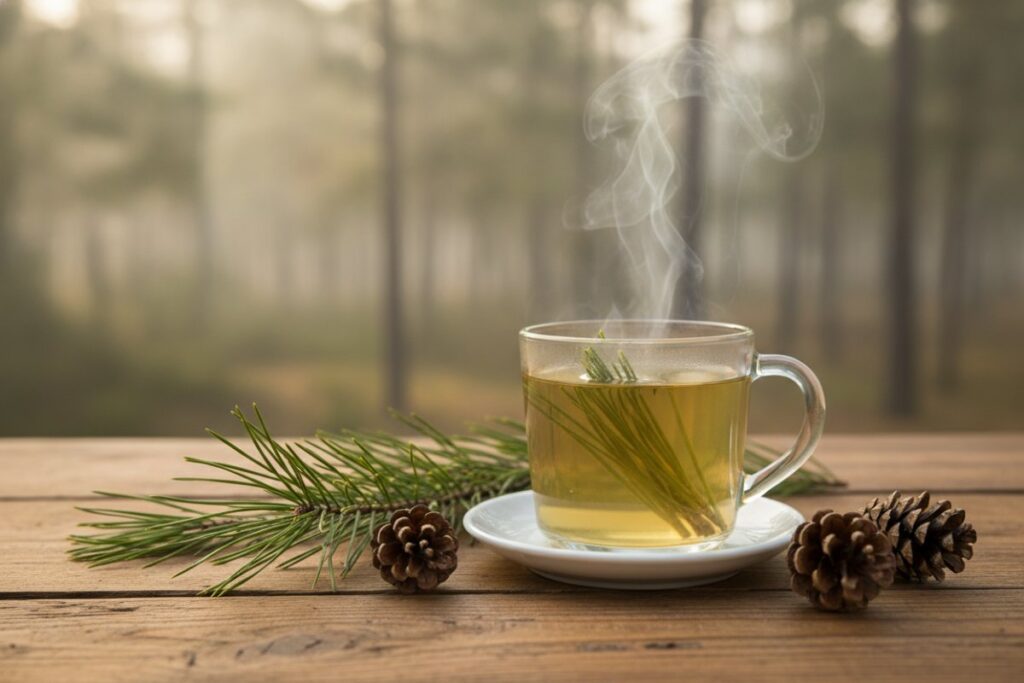
Pine needles are packed with a high concentration of vitamin C, making them a valuable resource for maintaining overall health. They are especially beneficial during winter when fresh fruits and vegetables are scarce.
Pine needles can benefit individuals with chronic obstructive pulmonary disease (COPD). Pine needle tea has been shown to help improve respiratory health by acting as an expectorant, helping to loosen mucus and relieve chest congestion.
Studies have shown that pine needles contain up to five times more vitamin C than lemons and oranges, proving their potency as a natural source[1%5E].
To harness the benefits of pine needles, you can make a simple tea by steeping fresh, young needles in hot water. Alternatively, you can add them to smoothies or use them as a seasoning in various dishes. Just be sure to identify the correct pine species, as not all are safe for consumption[2%5E].
While pine needles are generally considered safe, it’s always a good idea to consult a healthcare professional before incorporating them into your diet. By doing so, you can ensure that you’re using pine needles safely and effectively. Pine needles offer a potent and natural source of vitamin C, providing an array of health benefits.
Sources:
Pine Pollen: A Natural Hormone Booster
Pine pollen is a powerful natural supplement that has gained popularity for its hormone-boosting properties. Harvested from pine trees, this fine yellow powder is packed with nutrients and offers a range of health benefits.
It also improves hormone balance by providing bioavailable phyto-androgens, such as testosterone, which can help support the endocrine system[1%5E].
Traditional Chinese medicine has utilized pine trees, specifically pine pollen, for thousands of years. In Chinese medicine, pine pollen is considered a tonic herb, offering a wide array of health benefits;
By supplementing with pine pollen, individuals may experience improved energy levels, increased muscle mass, and enhanced immune function. While pine pollen is generally considered safe, it’s essential to be aware of potential side effects or risks.
Individuals with a pine tree or pollen allergy should exercise caution, as consuming pine pollen may cause allergic reactions[2%5E].
As always, consult a healthcare professional before incorporating any new supplement into your routine. When selecting a pine pollen supplement, look for high-quality products that are certified organic and free of additives or contaminants. This ensures you get the purest and most potent form of pine pollen available.
Pine pollen offers a natural and effective way to support hormone balance and overall health. Give pine pollen a try and unlock its potential for improved well-being.
Sources:
Anti-inflammatory Properties of Pine Trees
Inflammation is a natural response to injury and infection, but chronic inflammation can lead to various health issues. One natural solution to help combat inflammation is found in evergreen trees, a potent source of anti-inflammatory compounds.
Inflammation is the body’s defense mechanism against harmful stimuli, but when it becomes chronic, it can contribute to diseases such as arthritis, heart disease, and diabetes[1%5E].
Pine trees, particularly their needles and bark, contain potent compounds like polyphenols and flavonoids that exhibit anti-inflammatory properties[2%5E].
Scientific studies have shown that pine bark extract, specifically from the Pinus pinaster tree, contains a high concentration of oligomeric proanthocyanidin complexes (OPCs) known for their potent antioxidant and anti-inflammatory effects[3%5E]. These compounds help reduce inflammation and oxidative stress, promoting overall health and wellness.
To harness the benefits of pine trees, you can consume pine bark extract supplements, drink pine needle tea, or use pine nut oil.
The recommended dosage for pine bark extract is typically between 50-300 mg daily, but it’s essential to consult a healthcare professional before starting any new supplement[4%5E].
While pine trees offer numerous health benefits, being aware of potential risks or side effects is essential. Some individuals may experience allergic reactions or interactions with medications, so always consult a healthcare professional before use[5%5E].
Pine trees provide a natural and effective way to combat inflammation and support overall health.
Sources:
Pine Trees for Respiratory Health
Pine trees have long been admired for their beauty and resilience, but did you know they can also improve your respiratory health? By harnessing the power of pine trees, you can support your lungs and breathe easier.
The needles of pine trees are packed with nutrients, including vitamins A and C, which can help to boost the immune system and fight off infections.
Additionally, pine trees contain compounds that act as expectorants, helping to loosen mucus and relieve chest congestion. These benefits make pine trees an excellent natural remedy for respiratory issues.
Scientific research has shown that pine tree vapor treatment can help alleviate common colds and inflammation in the pulmonary tract mucus lining, relieving those with respiratory issues. Furthermore, pine needle tea has been used traditionally to improve respiratory health and overall well-being.
To incorporate pine trees into your diet, you can make pine needle tea, add pine needles to smoothies, or use pine essential oil. When consuming pine needles, it’s necessary to consult with a healthcare professional for recommended dosages and to ensure safe and effective use.
While pine trees offer numerous health benefits, knowing potential concerns or drawbacks is essential. Some individuals may experience allergic reactions, so always be cautious and consult a healthcare professional before using. Pine trees provide a natural and effective way to support respiratory health.
Immune System Support from Pine Trees
Pine trees are packed with nutrients, including vitamins A and C, essential for maintaining a robust immune system. These nutrients, combined with their availability throughout the year, make pine trees an excellent source of immune support.
Scientific research has shown that pine needle tea can help improve respiratory health by acting as an expectorant, helping to loosen mucus and relieve chest congestion. Additionally, pine bark extract contains oligomeric proanthocyanidin complexes (OPCs), which have potent antioxidant and anti-inflammatory effects that can support immune health by reducing inflammation and oxidative stress in the body.
To incorporate pine trees into your diet, make pine needle tea, add pine needles to smoothies, or use pine essential oils. When consuming pine needles, it’s necessary to consult with a healthcare professional for recommended dosages and to ensure safe and effective use.
While pine trees offer numerous health benefits, knowing potential concerns or drawbacks is essential. Some individuals may experience allergic reactions, so always be cautious and consult a healthcare professional before using.
Pine trees provide a natural and effective way to support immune health.
Conclusion
In conclusion, we’ve explored pine trees’ numerous benefits and importance and how they can significantly impact our lives. The compelling evidence and insights shared throughout this post highlight the relevance of this topic to each of our lives, making it an essential consideration for anyone seeking to improve our health and daily life.
Now that you have this valuable information, it’s time to take action. Don’t let this knowledge go to waste – share this post with your friends and family on social media, sparking a conversation that can lead to positive change. We’d love to hear from you if you have any thoughts or experiences related to the health benefits of pine trees.
Health Benefits of Pine Trees: What the Research Really Shows
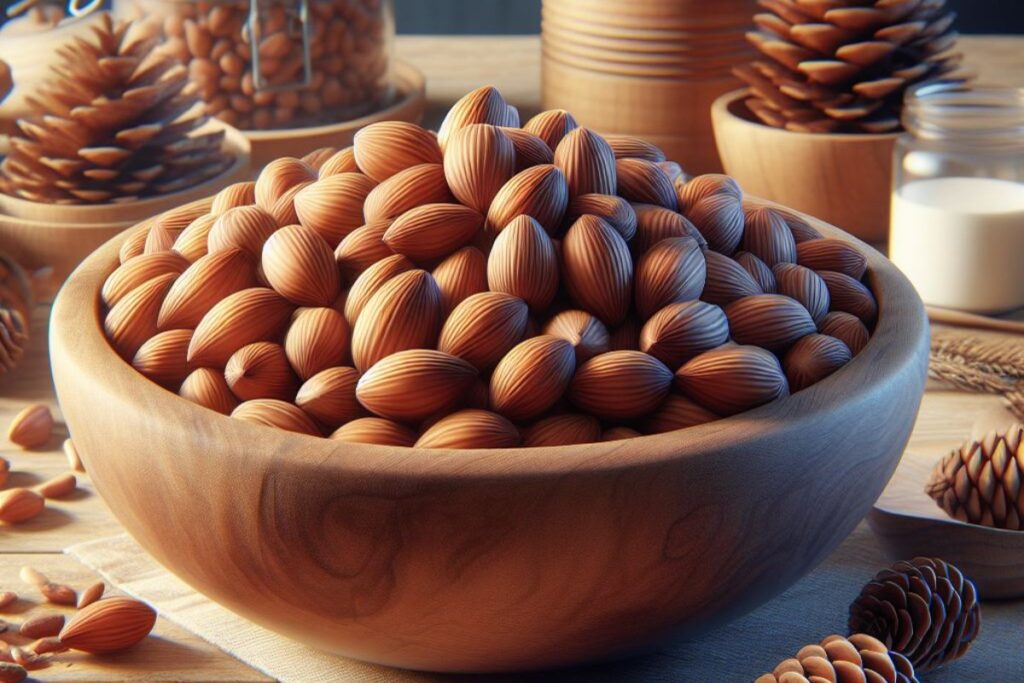
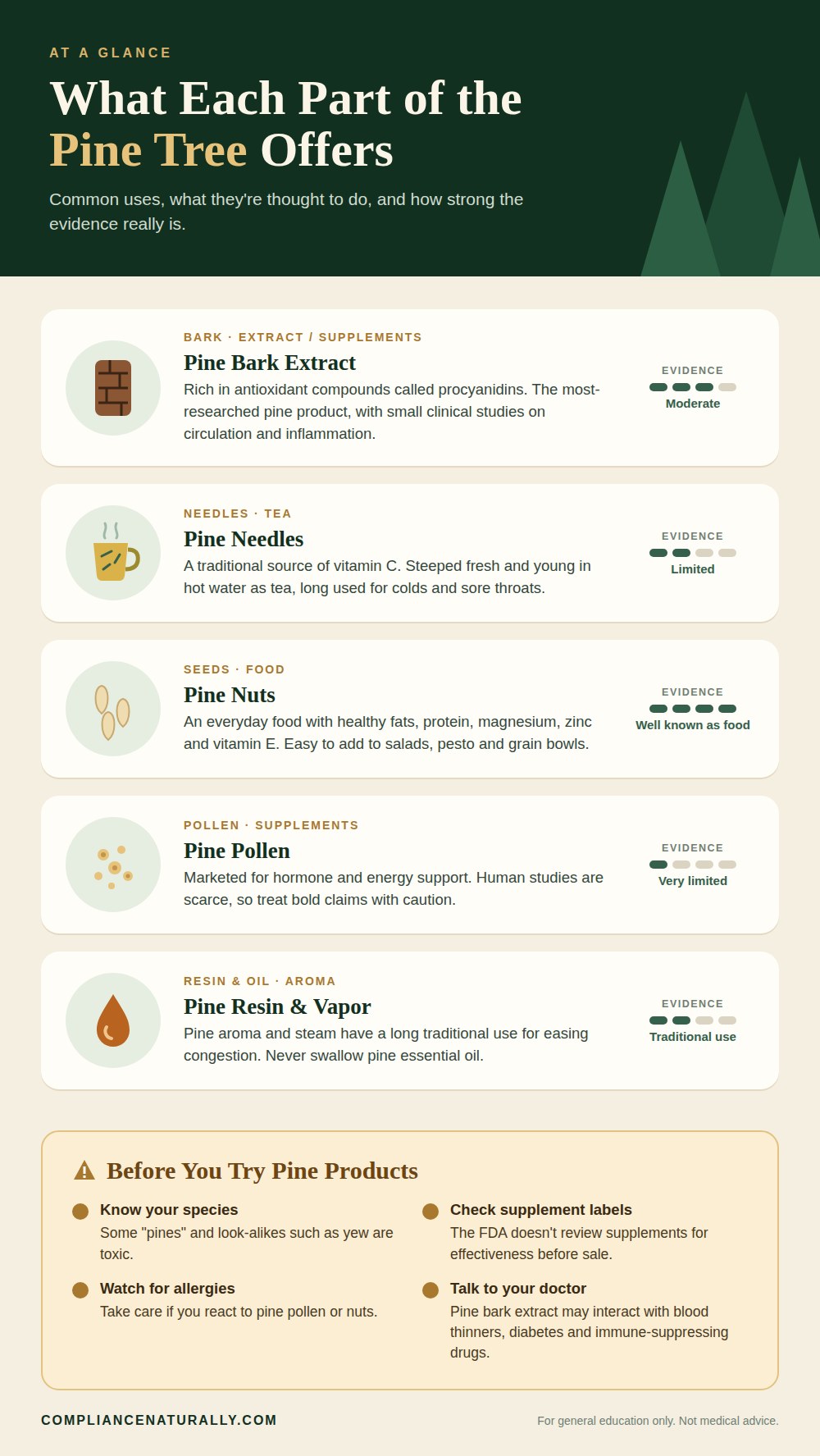
Not all pine tree benefits are equally well studied. Pine bark extract, sold under brand names such as Pycnogenol, has the most research, with small clinical studies on circulation, inflammation and skin health. Pine needles contain vitamin C and antioxidants, which is why pine needle tea has a long history as a folk remedy. Pine nuts are a nutritious food with healthy fats, protein and minerals like magnesium and zinc. Claims about pine pollen as a hormone booster are based on very limited evidence.
Safety Tips Before You Try Pine Products
- Know your species. Some trees called pines, or look-alikes such as yew, are toxic. Ponderosa pine needles are known to cause problems in pregnant cattle, and pregnant people should avoid pine needle tea.
- Check supplement labels. Pine bark extracts and pine pollen are sold as dietary supplements, which the FDA does not review for effectiveness before they are sold.
- Watch for allergies. People allergic to pine pollen or nuts should be cautious.
- Talk to your doctor. Pine bark extract may interact with blood thinners, diabetes medications and immune-suppressing drugs.
Frequently Asked Questions
Can you eat parts of a pine tree?
Yes, in moderation. Pine nuts are widely eaten, and young needles from edible species are used for tea. Always identify the tree correctly first.
What are the main health benefits of pine trees?
The best-supported benefits come from pine bark extract (antioxidant and circulation support) and pine nuts (nutrition). Most other uses are traditional and need more research.
Sources and Further Reading
- NCCIH (NIH): How Safe Is This Product or Practice?
- NIH Office of Dietary Supplements: Fact Sheets
- Pine nut – Wikipedia